

Dental Crowns in San Jose, CA
Dental crowns are custom-designed restorations that cover and protect damaged or weakened teeth while restoring their strength, function, and appearance. They are commonly used for teeth affected by extensive decay, cracks, fractures, large fillings, or significant wear. At Selective Dental in San Jose, CA, Dr. Victoria Vuong, DDS, evaluates each tooth to determine whether a dental crown is the right solution. Whether you need to protect a damaged tooth, improve chewing function, or enhance your smile, Dr. Vuong and our team provide personalized dental crown care based on your oral health needs. For more information, contact us or schedule an appointment online. We are conveniently located at 3151 South White Road, Suite 203 San Jose, CA 95148.
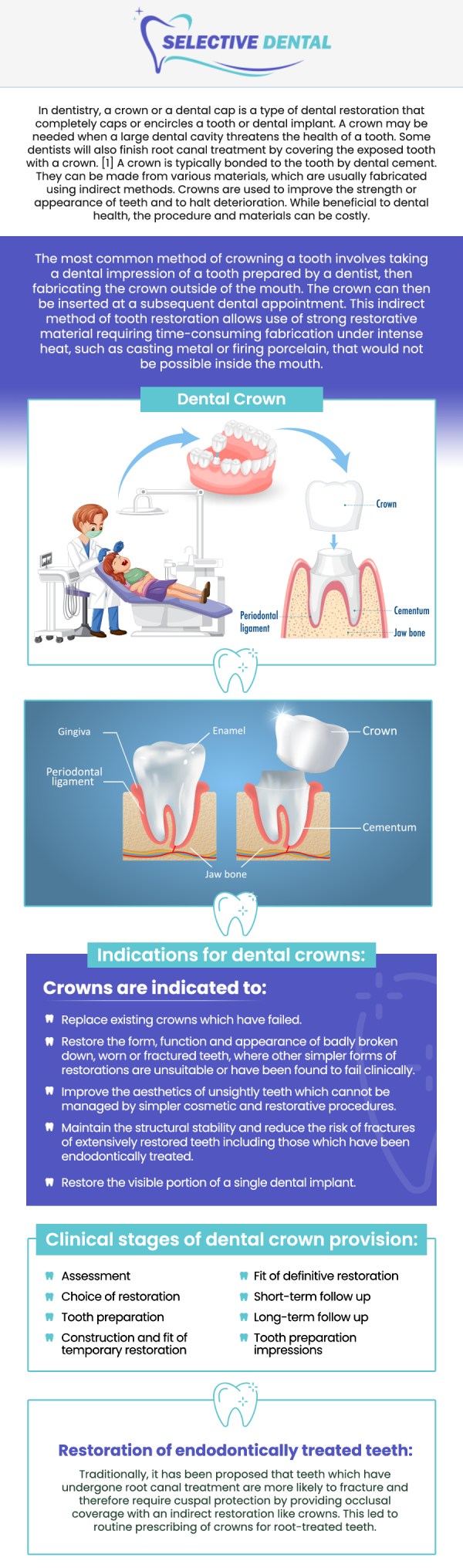
Table of Contents:
What Are Dental Crowns?
When Do You Need a Dental Crown?
Who Is a Good Candidate for Dental Crowns?
What Are the Benefits of Dental Crowns?
How Do Dental Crowns Improve Tooth Strength and Function?
Are Dental Crowns Better Than Fillings?
How Are Dental Crowns Different From Veneers?
What Should You Expect During a Dental Crown Procedure?
How Long Do Dental Crowns Last?
How Can You Maintain Your Dental Crown Long-Term?
Can a dental crown repair a cracked tooth?
Does getting a dental crown hurt?
Can dental crowns look like natural teeth?
How should I care for a dental crown?
Can a tooth under a crown get cavities?
How do I know if I need a crown or a filling?
Can dental crowns improve my smile?
What happens if a recommended dental crown is delayed?
How Can Dr. Victoria Vuong, DDS, and Our Team at Selective Dental Personalize Dental Crown Treatment?
What Financing Options Are Available for Dental Crowns?
Where Can Bay Area Patients Find Dental Crown Treatment?
Dental crowns are custom-made restorations designed to protect, strengthen, and restore teeth that have been damaged, weakened, or significantly worn. A crown covers the visible portion of a tooth to improve function while helping maintain a natural-looking appearance. Dental crowns may be recommended for teeth affected by decay, cracks, fractures, large fillings, or other conditions that compromise tooth strength.
A dental crown is a tooth-shaped restoration placed over a damaged or weakened tooth to provide additional protection and support. Crowns are designed to restore the tooth’s shape, size, strength, and appearance while helping maintain comfortable chewing function.
Dental crowns can be made from different materials, including porcelain and other durable options. The appropriate material depends on factors such as the location of the tooth, functional needs, cosmetic goals, and overall oral health.
A dental crown may be needed when a tooth has extensive damage that cannot be fully restored with a filling or other conservative treatment. Crowns are commonly used for teeth with large cavities, significant wear, cracks, fractures, or weakened structure that requires additional support.
A dental evaluation helps determine whether a crown is the appropriate option based on the amount of healthy tooth structure remaining, the location of the tooth, bite pressure, and overall oral health. The goal is to protect the tooth while restoring comfortable function and appearance.
Patients with damaged, weakened, severely worn, or extensively restored teeth may benefit from dental crowns. A crown may be recommended when a tooth needs additional strength, protection, or restoration beyond what a filling can provide.
A dental professional will evaluate the condition of the tooth, surrounding gums, bite alignment, and overall oral health to determine whether a crown is suitable. Each recommendation is based on the patient’s individual dental needs.
Dental crowns offer several advantages for patients with weakened or damaged teeth. They can help restore chewing ability, protect vulnerable tooth structure, improve appearance, and provide long-term support for a compromised tooth.
Crowns may also help prevent further damage by covering and reinforcing a tooth that has lost strength due to decay, cracks, or previous dental treatments.
A damaged tooth may become more vulnerable to breaking or additional wear over time. A dental crown provides coverage around the tooth, helping improve stability and allowing patients to comfortably bite and chew.
By restoring the tooth’s shape and structure, crowns can help improve everyday function while supporting the long-term health of the smile.
Dental crowns and fillings are used for different levels of tooth damage. Fillings are generally used to repair smaller areas of decay, while crowns provide coverage and protection for teeth that are more significantly weakened or damaged.
The recommended restoration depends on the extent of tooth damage and the amount of healthy structure remaining. A crown may be a better option when a filling may not provide enough strength or support.
Dental crowns cover the entire visible portion of a tooth to provide strength and protection, while veneers are thin coverings placed mainly on the front surface of teeth for cosmetic improvement.
The best option depends on whether the primary goal is restoring tooth strength, improving appearance, or addressing both functional and cosmetic concerns.
The dental crown process begins with an evaluation to determine whether a crown is suitable for the tooth. The tooth is carefully prepared, and impressions or digital scans may be taken to create a restoration that fits comfortably and matches the appearance of your smile.
Once the custom crown is ready, it is placed and adjusted to ensure proper fit, bite, and function. The final restoration is designed to protect the tooth while helping restore a natural-looking smile.
The lifespan of a dental crown depends on factors such as the crown material, oral hygiene habits, bite forces, and daily care. With proper maintenance, many dental crowns can provide reliable protection for many years.
Regular dental visits, good brushing and flossing habits, and avoiding habits that may damage the restoration can help extend the life of a crown.
Maintaining a dental crown involves the same basic oral hygiene practices used to protect natural teeth. Regular brushing, flossing, dental checkups, and avoiding chewing hard objects can help preserve the crown and surrounding tooth structure.
Routine dental visits also allow the condition of the crown and the underlying tooth to be monitored over time.
Frequently Asked Questions About Dental Crowns
Yes. A dental crown may help protect and strengthen certain cracked teeth by covering and supporting the damaged tooth structure. The appropriate treatment depends on the location and severity of the crack.
The procedure is performed with measures to keep patients comfortable. Some temporary sensitivity may occur after treatment but often improves as the tooth adjusts.
Yes. Dental crowns can be designed to match the color, shape, and appearance of surrounding teeth for a more natural-looking result.
A dental crown can be cared for with regular brushing, flossing, and routine dental visits. Maintaining good oral hygiene helps protect the crown and the tooth underneath.
Yes. While a crown protects the visible portion of the tooth, decay can still develop around the edges or on remaining natural tooth structure without proper care.
The choice depends on the extent of tooth damage and the amount of healthy structure remaining. A dental examination can determine which restoration provides the best protection.
Yes. Dental crowns may improve the appearance of damaged, worn, or weakened teeth while also restoring function and strength.
Delaying treatment may allow a weakened tooth to become more damaged, which could lead to more complex dental needs in the future.
At Selective Dental in San Jose, CA, Dr. Victoria Vuong, DDS, evaluates each patient’s tooth condition, oral health needs, and smile goals before recommending dental crown treatment. She considers factors such as the extent of damage, remaining tooth structure, bite function, and aesthetic preferences to help determine the most appropriate restorative option.
Supported by our team, Dr. Vuong focuses on providing clear guidance throughout the dental crown process. We help patients understand their treatment options, expected results, and aftercare recommendations while creating a comfortable experience focused on restoring tooth strength, function, and appearance.
Selective Dental offers flexible financing options through CareCredit, LendingClub, and Sunbit for eligible patients. Promotional 0% interest options may be available when qualifying balances are paid within 12 months, depending on approval and applicable terms.
Established patients may also have the option to divide their co-pay portion into two or more interest-free payments, helping make dental crown treatment more manageable and accessible.
Patients from Evergreen, East San Jose, Silver Creek, Milpitas, Santa Clara, Campbell, Cupertino, Los Gatos, and surrounding Bay Area communities can visit Selective Dental in San Jose, CA, for personalized dental crown evaluations. Our team provides restorative dental care designed to help patients protect damaged teeth, restore function, and maintain a healthy smile. For more information, contact us or schedule an appointment online. We are conveniently located at 3151 South White Road, Suite 203 San Jose, CA 95148. We proudly serve patients throughout San Jose CA, the Bay Area and surrounding Santa Clara County—including Evergreen CA, Silver Creek CA, Berryessa CA, Alum Rock CA, Willow Glen CA and neighboring Milpitas CA, Santa Clara CA, and Campbell CA.

Check Out Our 5 Star Reviews


Additional Services You May Need
- Dental Implants
- Dental Bridges
- Dental Crowns
- Gum Disease Treatment
- Smile Makeover
- Root Canal Therapy
- Teeth Whitening
- Dental Cleanings
- Veneers
- Cracked Tooth Treatment
- Emergency/Same-Day Services
- General Dentistry
- Cosmetic Dentistry
- Family Dentistry
- Children Dentistry
- Aesthetic Dentistry
- TMJ Treatment
- Extractions
- Emergency Dental Appointments
- Mouth Guards and Night Guards
- Ortho Retainers
- Dental Implant Crowns
- Nitrous Oxide Sedation Dentistry

Additional Services You May Need
- Dental Implants
- Dental Bridges
- Dental Crowns
- Gum Disease Treatment
- Smile Makeover
- Root Canal Therapy
- Teeth Whitening
- Dental Cleanings
- Veneers
- Cracked Tooth Treatment
- Emergency/Same-Day Services
- General Dentistry
- Cosmetic Dentistry
- Family Dentistry
- Children Dentistry
- Aesthetic Dentistry
- TMJ Treatment
- Extractions
- Emergency Dental Appointments
- Mouth Guards and Night Guards
- Ortho Retainers
- Dental Implant Crowns
- Nitrous Oxide Sedation Dentistry


 Send Text
 How May I Help You?